
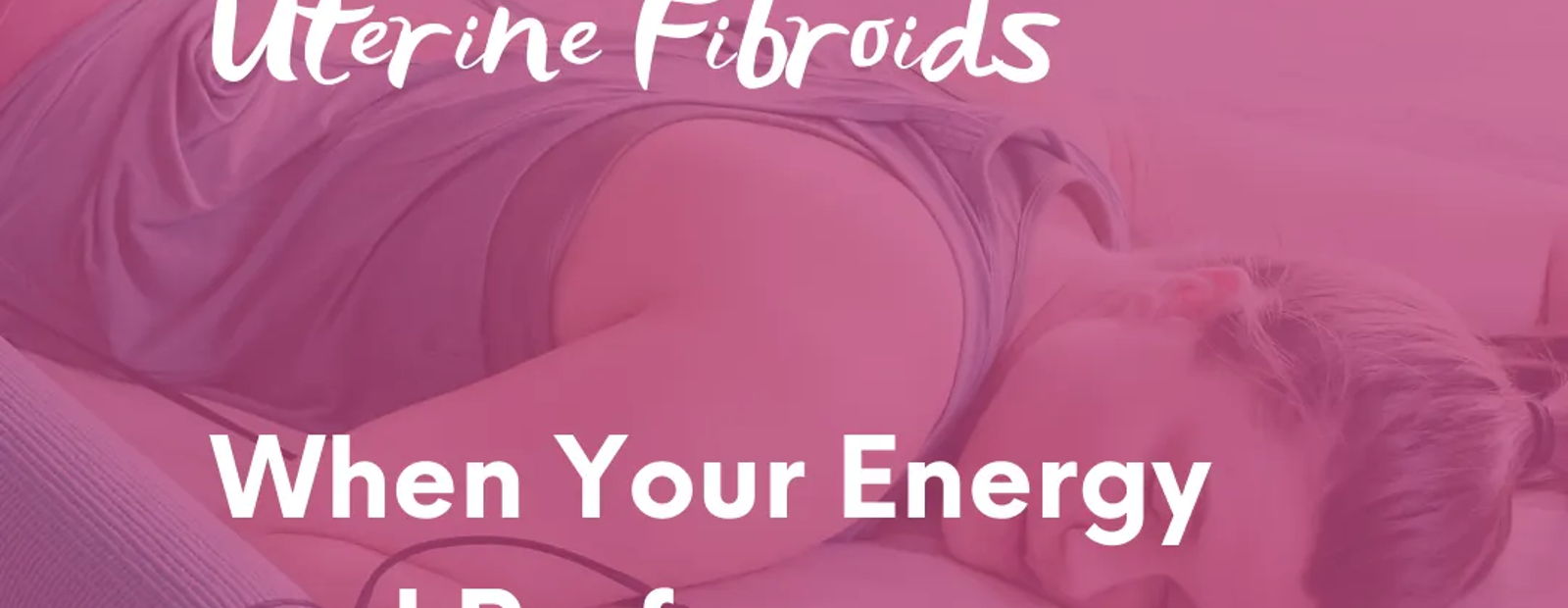
If you’re an active person with a uterus and you thrivee on training—whether that’s long rides, track repeats, or game day intensity—you probably don’t think much about your uterus when you lace up your shoes.
Uterine fibroids, also known as leiomyomas, may be hidden culprits quietly draining your energy, hindering your recovery, and impacting your overall performance. Recently the great Venus Williams came out publically about her battle with her fatigue, delayed diagnosis and lack of being taken seriously as a person with a period. Check out an interview with her here.
Understanding what fibroids are and how they influence your health is the first step toward regaining control. Explore how diet and lifestyle choices can make a meaningful difference in managing their effects and empowering you to feel your best every day.
What Are Uterine Fibroids?
• Benign tumors that grow in the smooth muscle of the uterus
• Very common: up to 70–80% of women will have them by age 50
• Can be silent (no symptoms) or disruptive, causing:
- Heavy menstrual bleeding (HMB)
- Pelvic pain or pressure
- Fatigue from iron-deficiency anemia
- Abdominal distension, urinary or GI issues
For athletes, the combination of heavy bleeding + fatigue can mean slower recovery, poor training adaptation, and a frustrating drop in performance.
Heavy Menstrual Bleeding: More Than Just “Tough Periods”
Heavy menstrual bleeding is defined as over 80 mL of blood per cycle—but who measures that?
To put it into context, 30mL is 1 tablespoon or 1 fluid ounce. The average total blood flow for an entire period is about 2-3 tablespoons. Don’t forget that period flow also contains some tissue possibly making your flow look larger.
Here are some red flags to be aware of when evaluating your flow:
- Soaking through pads/tampons in under 2 hours
- Needing double protection or changing at night
- Passing large clots
- Menstrual bleeding lasting more than 7 days
- Symptoms of anemia (fatigue, dizziness, shortness of breath on exercise or even going up stairs!)
Fibroids are one of the structural causes of heavy menstrual bleeding.
Why Fibroids Drain Your Energy
1. Blood loss → Iron deficiency
- Depletes hemoglobin, the oxygen shuttle for your muscles.
- Training feels harder at the same effort—think hitting the wall before you should.
- Athlete’s note – some sports are themselves hard on your blood cells such as cycling and horseback riding causing increased red blood cell and hemoglobin destruction.
2. Inflammation and pain
- Fibroids can trigger cramping and pelvic pain, increasing stress on your system.
- Athlete’s note – we are at higher risk of pelvic floor dysfunction (some sports are worse than others). Pelvic floor dysfunction can cause and aggravate pelvic pain and cramping. Go see your favourite pelvic floor physiotherapist (bonus sports performance enhancement as you fire up that core and reduce back pain!)
3. Hormonal interplay
- Fibroids are estrogen and progesterone-sensitive, which links them to cycle phase–related fatigue and mood changes.
Nutrition and Lifestyle: What the Research Says
The International Journal of Environmental Research and Public Health (1) reviewed diet and fibroid risk factors. Here are key takeaways:
Protective Factors
- Fruits & Vegetables: Especially citrus and green veg → lower fibroid risk. Likely due to antioxidants and phytochemicals. I know you’re surprised LOL
- Vitamin D: Strong inverse relationship—adequate levels protect against fibroid growth. Get tested! I’ve seen far too many summer-sport athletes with clinically low vitamin D levels!
- Green Tea (EGCG): In trials, reduced fibroid volume and symptoms.
Potential Risk Enhancers
- Alcohol (especially beer): Associated with higher fibroid risk.
- High Glycemic Load Diets: Can elevate insulin/IGF-1, stimulating fibroid growth.
- Certain Meats & Fats: Mixed evidence; pollutants in fish and high red meat intake linked to higher risk in some populations.
- Obesity & Chronic Stress: Both increase risk and symptom burden.
Managing Symptoms: From Short-Term Relief to Long-Term Strategy
Acute Support - In the moment
o NSAIDs (e.g., ibuprofen): Can reduce bleeding modestly.
o Tranexamic acid: Powerful at reducing bleeding but doesn’t address root cause.
Physical Options - With quick results
o Osteopathic visceral manipulations: for fibroids that cause pain, pressure, bladder dysfunction, they often experience significant and lasting improvement within 1-3 treatments. This non-evasive treatment can do wonders for athletes and everyone else alike!
Long-Term Pharmaceutical Options
o IUD-with-hormones: Gold standard for reducing menstrual blood loss (up to 90% reduction).
o Oral contraceptives: Helpful in some cases, though evidence is weaker for fibroid-specific bleeding.
o Progesterone therapies: Can reduce flow and pain.
Supplements (evidence varies)
o Vitamin D: May slow fibroid growth.(2)
o EGCG (green tea extract): Works best when combined with Vitamin D. (3)
o Ginger: shown to reduce blood flow and menstrual pain and further enhances these outcomes when used in combination with ibuprofen (4).
Surgical Interventions
o Options include myomectomy, uterine artery embolization, or ablation, depending on fertility goals and symptom severity.
Takeaway for Active Women
Uterine fibroids aren’t just a gynecological issue—they can directly affect your energy systems, recovery, and training capacity. If you’re experiencing unusually heavy bleeding, pain, or fatigue that doesn’t match your training load, it’s worth getting checked.
- Track your symptoms: Use bleeding charts, note energy dips across your cycle.
- Get tested: CBC, iron panel (ferritin and iron saturation), vitamin D, and ultrasound can reveal the picture.
- Fuel smart: Prioritize iron-rich foods, vitamin D, and plenty of fruit and vegetables.
- Advocate for yourself: If your performance is suffering, push for answers—it’s not just “part of being a woman.”
- Have a naturopathic doctor on your team alongside your other healthcare providers
👉 Your uterus may not be part of your race-day gear, but it can make or break your ability to perform. Understanding fibroids—and taking action—can help you reclaim energy, consistency, and confidence in your training.
References
(1) The International Journal of Environmental Research and Public Health
https://www.mdpi.com/1660-4601/18/3/1066#
(2) https://www.fertstert.org/article/S0015-0282(22)01373-5/fulltext
(3) https://pmc.ncbi.nlm.nih.gov/articles/PMC3343067/pdf/10.1177_1933719111432867.pdf
(4)
https://pubmed.ncbi.nlm.nih.gov/30670277/
Dr. Andrea Proulx, ND — helping female athletes crush fatigue, fix their hormones, and finally perform like the athlete they know they are. Read full bio