
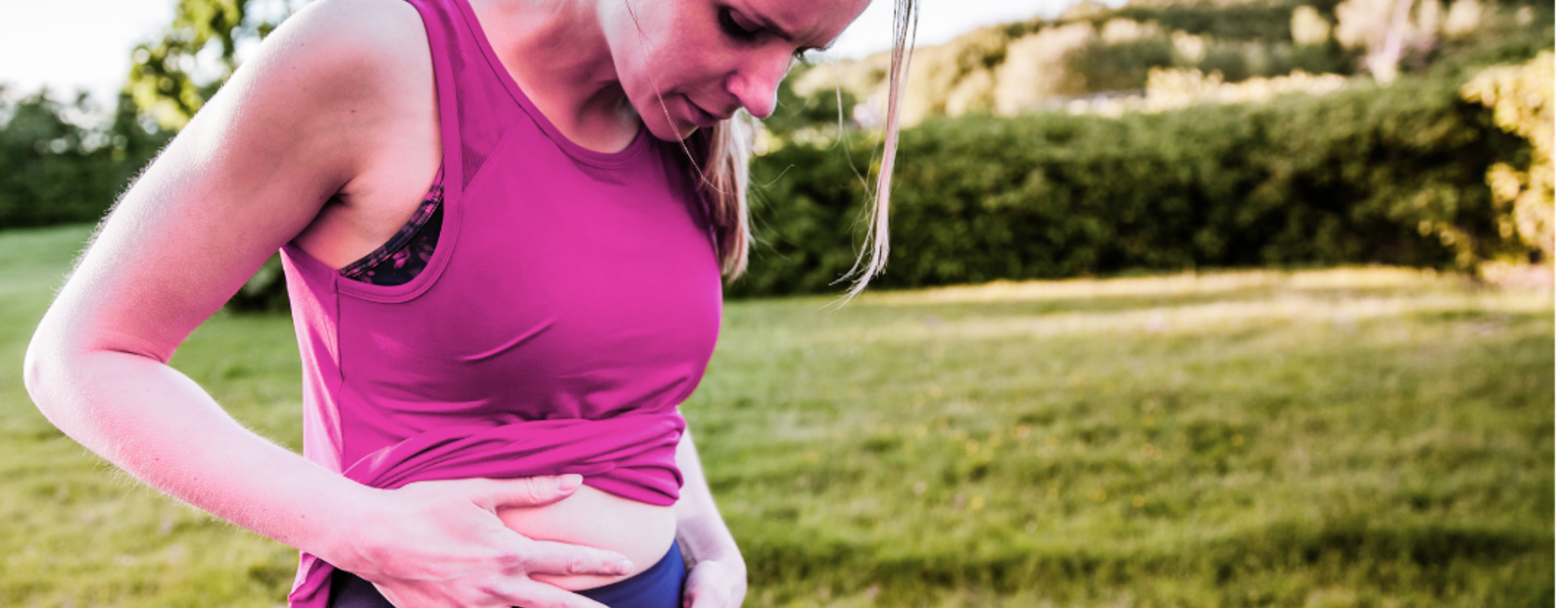
Heat and exercise already stress your gut barrier — food emulsifiers in sports supplements pile on. Here's the physiology and the fix for active adults.
The Heat + Training Double Hit on Gut Barrier Integrity
If you're training through summer heat waves, your gut is under a two-front assault: exertional stress and thermal stress. Both of these stresses directly affect your gut lining which is supposed to keep bacteria and endotoxin out of your bloodstream AND provide a happy living space for your microbiome.
But there are more very real threats to that gut lining – those all-too-common food emulsifiers found in so many sport supplements and protein shakes.
Let’s look at how it all goes down.
Blood flow gets rerouted
During high heat and intense exercise, internal blood flow is preferentially shunted away from the GI tract toward working muscle and skin for thermoregulation so you can cool off. This blood flow shift leaves the gut in a state of mild hypoxia. Yikes.
There's a temperature threshold
Human data show intestinal hyperpermeability reliably begins once core temperature climbs above roughly 38.5°C, and becomes near-certain above 39°C — territory well-trained athletes routinely hit in competition and in hot weather.
Heat amplifies exercise-induced gut damage
A meta-analysis of exercise and GI permeability found damage markers were significantly higher when sessions were performed above 23°C ambient temperature compared to thermoneutral conditions — this isn't a fringe effect, it's dose-dependent and heat-driven.
Tight junctions physically loosen
Hyperthermia disrupts the protein complexes holding intestinal epithelial cells together, and this effect is more pronounced with active exercise-induced hyperthermia than passive heat exposure alone.
💪 Leaky Gut Meets Exercise: Why This Is Personal
Here's where it gets personal. Whether you're training, teaching, or coaching others through movement, your gut barrier literally supports your performance.
GI distress is a barrier symptom, not bad luck — runner's trots, bloating, nausea mid-match. Hello, endurance athletes and multi-game tournament weekends.
Malabsorption follows permeability: a compromised lining doesn't just let bad things in — it blunts absorption of the micronutrients fueling recovery and mitochondrial function.
Recovery and cognition take the hit too: endotoxin leakage drives systemic inflammation, which feeds back into fatigue, sluggish recovery, and the brain fog you're chalking up to "just being tired."
The Additives Hiding in Your Gym Bag
Layer synthetic emulsifiers on top of a heat-stressed gut and you're compounding the problem. A 2022 review in Foods examined how commonly used food emulsifiers interact with gut microbiota and metabolic health, flagging several as consistent disruptors of microbial composition and barrier function. Watch for these on your labels:
Polysorbate 80 (E433)
Lecithin (E322)
Propylene glycol alginate / propane-1,2-diol alginate (E405)
Carrageenan (E407)
Gums: acacia, arabic, xanthan, guar
Maltodextrins
Agar agar (E406)
The catch: these are everywhere in sports nutrition — protein powders, shakes, gels, and bars all rely on them for shelf stability and consistent texture, hot or cold.
Can You Actually Avoid Them?
Honestly — it depends on your time, budget, and tolerance for logistics. These products exist because they solve a real problem: they survive a hot car, a bike frame bag, a gym locker, a field bag, all winter and all summer, without separating or spoiling. Full avoidance means home-made everything, which isn't realistic for most of us with a day-job and sport schedules.
A more useful question than "how do I avoid them" is: how do I reduce exposure and protect the gut lining I've got?
Protect Your Gut This Season: The Real Playbook
• Limit emulsifiers in your daily, non-race-day intake — save the convenience products for actual competition logistics, not your Tuesday lunch shake.
• Use a targeted probiotic strain — clinical work shows specific probiotic supplementation can meaningfully reduce exercise-induced intestinal permeability. Clinically I find most athletes benefit significantly from a bifidobacterium-heavy probiotic.
• Consider L-glutamine as a gut-lining fuel source, particularly around high-heat training blocks.
👉Pro tip – take it after late-night exercise to reduce the cortisol spike from exercise thus helping you calm down faster and get to sleep. Aside: try to avoid late-night exercise but dome time, ice time, life commitments can be out of our control.
• Protect the immediate post-exercise window. That post-game beer in the parking lot lands on a gut that's already hyperpermeable — alcohol is its own barrier disruptor, and timing matters.
Your gut barrier isn't a footnote to performance — it's essential infrastructure. Train the heat adaptation, and train the gut protection alongside it.
Want the full breakdown of why barrier integrity matters beyond exercise? Read: Leaky Gut: Why Your Gut Barrier Matters More Than You Think
Ready to address gut health at the root? Then let’s talk real life and performance book a consultation or free Discovery Call.
References

Dr. Andrea Proulx, ND — helping female athletes crush fatigue, fix their hormones, and finally perform like the athlete they know they are. Read full bio